The Dos and Don’ts of Cold Weather Sports
by News Staff
Winter sports are extreme by nature: Freezing temperatures, slick surfaces, whiteout conditions, and sharp blades can all make injury more likely.
So what’s the best way to avoid injury, or treat it if it happens? Robin Galley, a visiting clinical associate professor with the Department of Rehabilitation Sciences at Tufts University School of Medicine, says there are a few concrete do’s and don’ts when prepping for the ski slopes or sledding downhill.
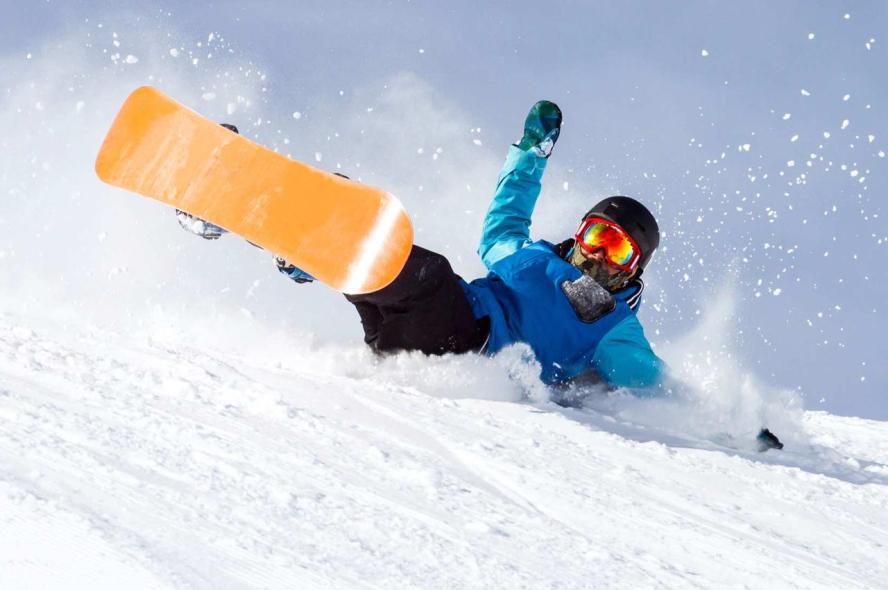
The most common cause of winter sports injuries are what Galley calls “the mobiles”—speed sports like skiing and snowboarding, which combine velocity and stress on the body. In fact, those two sports accounted for nearly 65% of winter sports injuries according to 2018 data from the U.S. Consumer Product Safety Commission.
These sports can result in collision injuries, stress injuries, or falls on an outstretched hand, called “FOOSH” injuries, which can result in wrist sprains or fractures. But being cognizant of risk and potential strain on the body can make any type of cold weather injury less likely.
Do Have the Right Equipment
Many winter sports require equipment. That includes not only skis, snowboards, ice skates, or snowshoes that are properly fitted, but also the right clothing to ensure the body stays warm while allowing it to remain mobile. Improper gear could lead to both acute or chronic injuries; an ill-fitting ski boot, for example, may make a crash more likely, but it can also create pressure points that cause problems with time.
“The key is, first and foremost, to make sure that you have the proper gear,” says Galley. “You want to make sure that what you are wearing allows you to move freely, but also keeps you protected from the elements.”
The right gear may also depend on the day. Ice and snow have high albedos, meaning the sun reflects more intensely off the earth. That can make it harder to see. For some winter races, organizers will lay down pine needles to help athletes churning in the air to recognize the ground to prevent crashes. Sunny days can also melt snow, which re-freezes to create ice when temperatures drop. This may change the protective equipment that athletes or casual skiers should wear, such as shin guards or a protective helmet (experts often recommend helmets for high-velocity snow sports, especially for children, but wearing one is extra important in more dangerous conditions).
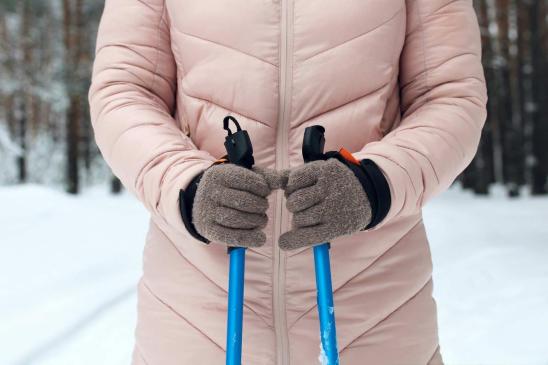
It’s also important to be aware of how your equipment can cause its own problems. Skiers can develop “skier’s thumb,” if they fall while holding a pole, which can tear or sprain the ulnar collateral ligament.
Don’t Skip the Warmup
Warmups are always an important part of a workout. They help gradually increase our body temperature, heart rate, and breathing, while easing our muscles into more intense activity. But warmups become even more important when temperatures dip, says Galley, because our bodies can quickly go cold again.
In January 2025, Galley traveled to Torino, Italy, to support a team of U.S. student athletes at the Winter World University Games. Keeping the competitors' bodies warm was an important part of keeping them safe during the competition. “In between rounds, we would have them doing movements to keep their body active,” says Galley. “That's one of the biggest challenges and the differences when you're working with these outdoor cold weather sports, is trying to keep that optimal body temperature going.”
Before you begin skiing or snowboarding, try leg swings at the bottom of the lift, or squats before a run. Light cardio, like jumping jacks, can also help get your body warmed up.
“It's really crucial that during the period of healing, the tissues are not pushed beyond what they should be doing, and that's sometimes hard for athletes.”
- Robin Galley, a visiting clinical associate professor with the Department of Rehabilitation Sciences at Tufts University School of Medicine
Do Know Your Body
Winter sports are not only for competitive athletes, of course. If you’re a casual cross country skier or heading out for an annual day of sledding with kids, it’s also important to know your body. Have you been training for that activity? Or is this the first time you’ve exercised in a while? Do you have past injuries that may flare up? After periods of inactivity, our bodies need extra dynamic stretching and warmups to keep muscles from straining.
As we age, bone density also decreases for both men and women, making bones more prone to fracture.
And women generally have wider pelvises, which can cause a torque on the legs near the knees. With sports like skiing, Galley says physical therapists tend to see more injuries like ACL tears among women, due to the angle from their hips to their knees.
If you are heading out for a ski, make sure you’re taking those physiological considerations into account, ensuring you have the right equipment for your body type, and extending your warm up if you’ve been inactive for a period.
Mobility exercises, like warming up, can also help prevent injury. Yoga or daily stretches can help increase flexibility and balance, allowing the body to move more freely. Additional mobility exercises can help counteract the effect of low temperatures, which cause our muscles to tense up and can make injury more likely.
Training for your sport in the off season can also help you be better prepared when winter rolls around. “My advice to people is: Don't get locked into one thing. Do some cross training and mix it up a little bit,” says Galley. “It's good for the body.”
Don’t Overdo It
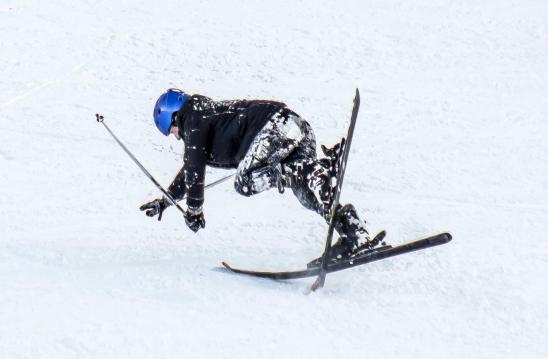
Winter athletes can be at all different levels of training and skill. If you’re trained for the bunny slopes, don’t go for the black diamond. Consider taking a lesson from a trained instructor. Pushing yourself too hard can lead to acute injuries.
Rest is also crucial for the body; training or working out seven days a week is actually detrimental. “It's okay to give your body rest,” says Galley.
That includes adequate sleep. “That’s when your body heals from the turmoil that you put it through in the day,” says Galley. “If you're not allowing your body to fully heal, you'll be more prone to those nagging, chronic injuries.”
And if you do get injured, be patient about the healing process. “It's really crucial that during the period of healing, the tissues are not pushed beyond what they should be doing, and that's sometimes hard for athletes,” she says.
Working with a physical therapist can provide the information you need about how long you need to rest and when your body is ready to get back out on the slopes, or at least to the gym to start building back strength and mobility. “They can optimize your recovery and not just get you back safely, but get you back just as strong or stronger than you were,” says Galley.